Tag: Sony A7s III

  • Sony CFexpress Type A, Type B & SD Cards Unavailable Due to Global Semiconductor Shortage (2026)

    Sony has suspended orders for its entire range of CFexpress Type A, CFexpress Type B, and SD memory cards as of March 27, 2026. The Sony memory card shortage is the direct result of the ongoing global semiconductor shortage, and the company has confirmed that supply cannot currently meet demand. No resumption date has been announced.
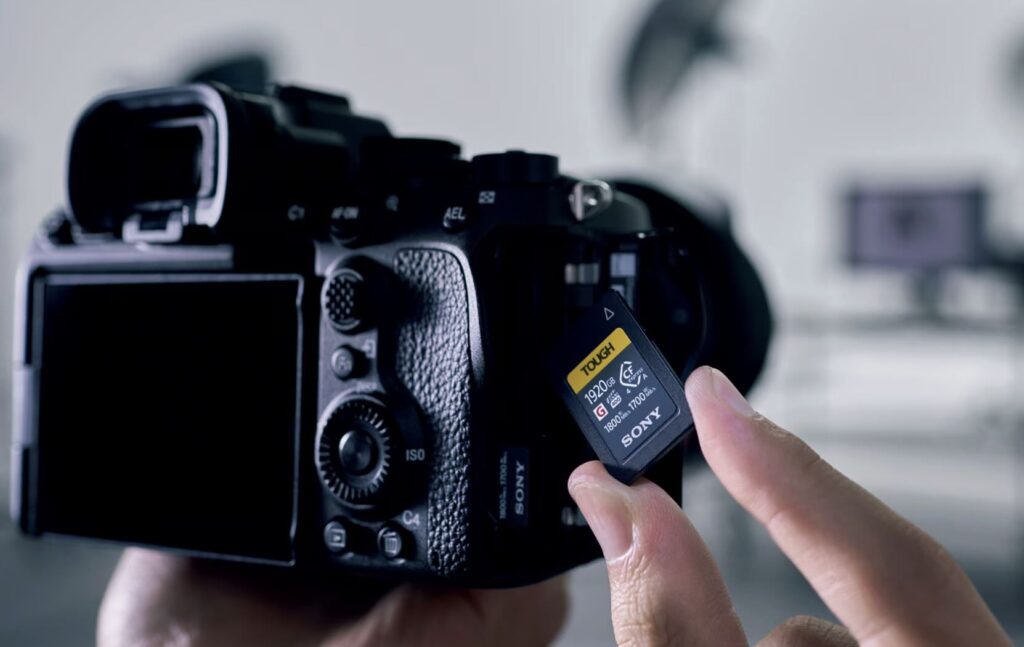
    Sony CFexpress Type A memory card CEA-G out of stock 2026

    Which Sony Memory Cards Are Affected?

    The following Sony memory cards are no longer available to order from retailers or authorised dealers until further notice:

    CFexpress Type A

    • CEA-G1920T
    • CEA-G960T
    • CEA-G480T
    • CEA-G240T

    CFexpress Type B

    • CEB-G480T
    • CEB-G240T

    SDXC / SDHC

    • SF-G256T
    • SF-G128T
    • SF-G64T
    • SF-M512T
    • SF-M256T
    • SF-M128T
    • SF-E256
    • SF-E128A
    • SF-E64A

    That covers Sony’s full professional memory card lineup — every CFexpress and SD card the company currently sells.

    Why Are Sony Memory Cards Out of Stock?

    Sony Marketing Inc. issued an official statement attributing the suspension directly to the global chip supply crisis:

    “Due to the global shortage of semiconductors and other factors, we anticipate that the situation where supply cannot meet demand will continue.”

    The semiconductor shortage has disrupted manufacturing across the consumer electronics industry since the early 2020s, and its effects on high-performance storage components — which rely on advanced NAND flash controller chips — remain acute in 2026. Sony is not the only memory card manufacturer facing supply constraints, but the suspension of its entire product line makes this a significant event for camera users worldwide.

    What Does This Mean for Photographers and Videographers?

    For Sony shooters, the impact is immediate. CFexpress Type A is the native card format for Sony’s most popular professional cameras including the A7R V, A7 IV, A1, Sony FX3, and FX6 – making it the single most critical storage medium for that ecosystem. CFexpress Type B is used in higher-capacity workflows.

    With new stock unavailable through authorised channels, professionals who rely on Sony cards should:

    • Buy remaining stock now from reputable retailers while supplies last
    • Avoid grey-market sources which may sell counterfeit or substandard cards
    • Monitor Sony’s official product pages for the earliest news of restocking

    When Will Sony Memory Cards Be Available Again?

    Sony has not given a specific date. The company stated it will “monitor supply conditions” and post updates directly to individual product information pages when orders resume. There is no confirmed timeline.

    Frequently Asked Questions

    Which Sony CFexpress Type A cards are out of stock?
    All four models – CEA-G1920T, CEA-G960T, CEA-G480T, and CEA-G240T – have had orders suspended as of March 27, 2026.

    Are Sony SD cards also affected by the shortage?
    Yes. Nine SDXC/SDHC models across the SF-G, SF-M, and SF-E lines are included in the suspension.

    Has Sony discontinued these memory cards permanently?
    No. Sony has described this as a supply suspension, not a discontinuation. The company intends to resume orders when semiconductor supply improves.

    Will Sony resume selling memory cards soon?
    Sony has not committed to a date. Updates will appear on Sony’s product pages when the situation changes.

    What are the best alternatives to Sony CFexpress Type A cards?
    Prograde Digital and Angelbird both manufacture CFexpress Type A cards compatible with Sony cameras, and may be worth considering while Sony stock remains unavailable.


    Source: Sony Marketing Inc. official announcement, March 27, 2026. Check Sony’s official product pages for the latest availability updates.

  • Cheap CFexpress A Cards: 7 Powerful Truths Every Video Creator Must Know

    Cheap CFexpress A Cards: 7 Powerful Truths Every Video Creator Must Know

    If you’re a video creator or cinematographer, you’ve probably noticed the rising popularity of Cheap CFexpress A cards. But here’s the real question – do cheaper cards actually compromise your footage, or are they a smart way to save money?

    In this guide, we’ll break down everything you need to know – from how these cards work to whether budget options are reliable for professional video workflows.

    What Are CFexpress Type A Cards?

    CFexpress Type A cards are next-generation memory cards designed for high-speed data transfer, especially in modern cameras that shoot high-resolution video and burst photography.

    The Evolution from SD and XQD Cards

    For years, SD cards dominated the market. However, as cameras began shooting 4K, 6K, and even 8K video, SD cards struggled to keep up with the required write speeds.

    CFexpress cards, especially Type A variants, emerged as a compact yet powerful solution. They bridge the gap between performance and portability.

    CFexpress Type A vs Type B Explained

    • Type A: Smaller, used mainly in Sony cameras (example – Sony a7S III, Sony FX3, Sony FX2)
    • Type B: Larger, faster, more common in cinema cameras (example: Sony FX6)

    Type A cards are ideal for hybrid shooters who need speed without bulk.

    How CFexpress A Cards Work

    Understanding how these cards function helps explain why pricing varies so much.

    PCIe Interface and NVMe Protocol

    CFexpress cards use:

    • PCIe (Peripheral Component Interconnect Express)
    • NVMe (Non-Volatile Memory Express)

    This combo allows extremely fast data transfer—similar to high-end SSDs.

    Speed Ratings and Real-World Performance

    Manufacturers often advertise:

    • Maximum read speeds
    • Maximum write speeds

    But in real-world video recording, sustained write speed matters far more.

    Why CFexpress A Cards Matter for Video Creators

    High Bitrate Video Recording Needs

    Modern codecs like:

    • All-I 4K 10bit 4:2:2 subsampling – excellent for color grading in post; also broadcast compliant codec.
    • ProRes (external), also 10bit codec.
    • XAVC S-I (10bit)

    …require consistent data throughput. If your card can’t keep up, recording may stop.

    Buffer Clearing and Continuous Shooting

    Photographers also benefit:

    • Faster burst shooting
    • Quicker buffer clearing
    • Reduced downtime between shots

    Cheap CFexpress A Cards: What Does “Cheap” Really Mean?

    Not all “cheap” cards are bad—but the term can be misleading.

    Price vs Performance Factors

    Lower cost usually means:

    • Slower sustained speeds
    • Less thermal management
    • Lower-grade NAND memory

    Brand vs Generic Cards

    Established brands invest in:

    • Firmware optimization
    • Quality control
    • Heat dissipation

    Generic brands often cut corners here.

    Do Cheap CFexpress A Cards Affect Video Quality?

    Here’s the key truth: they don’t directly affect image quality—but they can affect recording reliability.

    Bitrate Stability and Dropped Frames

    If a card can’t sustain required speeds:

    • Recording may stop
    • Frames may drop
    • Files may corrupt

    Overheating and Thermal Throttling

    Cheap cards are more prone to:

    • Overheating
    • Speed throttling during long takes

    This is critical for interviews or continuous recording.

    When Cheap CFexpress A Cards Are Good Enough

    Low to Mid Bitrate Recording

    Cheap cards work well for:

    • 4K Long GOP
    • Standard frame rates (24–30fps)

    Backup or Secondary Storage

    They’re perfect as:

    • Backup cards
    • B-roll storage
    • Non-critical shoots

    When You Should Avoid Cheap CFexpress A Cards

    Professional Cinema Workflows

    Avoid budget cards when:

    • Shooting paid projects
    • Working with clients
    • Capturing once-in-a-lifetime events

    High Frame Rate and RAW Recording

    High-end formats demand:

    • Consistent write speeds
    • Zero tolerance for failure

    Cheap cards often fall short here.

    Comparing Cheap vs Expensive CFexpress A Cards

    Speed Benchmarks

    FeatureCheap CardsPremium Cards
    Sustained Write SpeedLowerHigh & stable
    Burst PerformanceInconsistentReliable
    Heat ManagementLimitedAdvanced

    Reliability and Longevity

    Premium cards:

    • Last longer
    • Have better error correction
    • Offer warranties

    Cheap cards may degrade faster under heavy use.

    Best Use Cases for CFexpress A Cards

    Sony Alpha Cameras

    Popular models include:

    • A7S III
    • FX3
    • FX6

    These cameras rely heavily on CFexpress Type A for peak performance.

    Hybrid Photo/Video Shooters

    If you shoot both:

    • Photos + video
    • Weddings + events

    CFexpress A offers flexibility and speed.

    Key Features to Look for When Buying

    Sustained Write Speed

    Always prioritize:

    • Minimum sustained write speed over advertised peak speed.

    VPG Ratings and Certifications

    Look for:

    • VPG (Video Performance Guarantee)
      • VPG-400 is the latest and most commonly used among professionals. This simply means, the card is guaranteed to sustain recording speeds of 400 MB/sec., enough for 10bit 4K/120fps, 6K, and even 8K.
      • VPG-200 is 200MB/sec. sustained write speed, which is acceptable for 1080p and 4K (non-RAW) material.
    • Manufacturer-tested compatibility

    Common Mistakes Buyers Make

    Confusing Peak vs Sustained Speeds

    Peak speed is marketing—sustained speed is reality.

    Ignoring Firmware Compatibility

    Always ensure:

    • Your camera supports the card fully
    • Firmware is up to date

    Tips to Maximize CFexpress A Card Performance

    Proper Formatting Techniques

    • Format cards in-camera
    • Avoid computer formatting when possible

    Storage and Handling Best Practices

    • Keep cards cool
    • Avoid physical damage
    • Use protective cases

    Future of CFexpress A Technology

    Upcoming Speed Improvements

    Expect:

    • Faster PCIe lanes
    • Higher capacities
    • Better thermal control

    Market Trends and Pricing

    As adoption increases:

    • Prices will drop
    • Cheap options will improve in quality

    FAQs About Cheap CFexpress A Cards

    1. Are Cheap CFexpress A cards safe to use?

    Yes, but only for non-critical work or lower bitrate recording.

    2. Can cheap cards damage my camera?

    No, but unreliable cards can cause recording failures.

    3. Do expensive cards improve video quality?

    No, they improve reliability—not image quality.

    4. What’s the minimum speed I should look for?

    At least 400–700 MB/s sustained write speed for high-end video.

    5. Are cheap cards good for 4K video?

    Yes, if you’re shooting compressed formats like Long GOP.

    6. How long do CFexpress A cards last?

    Premium cards last longer due to better NAND and wear levelling.

    Conclusion

    Cheap CFexpress A cards can be a smart investment—but only if you understand their limitations.

    For casual shooting or backup use, they’re perfectly fine. But for professional video production, reliability is everything. Dropped frames or failed recordings can cost far more than the savings from a cheaper card.

    In short:

    • Use cheap cards strategically
    • Invest in premium cards when it matters most

    That balance is what separates amateurs from seasoned professionals.

    🔗 External Resource

    Learn more about CFexpress standards here: https://compactflash.org/

  • Best CFexpress Type A Cards for Sony FX3, Sony FX30, Sony FX6 and A7S III Cameras


    Introduction to CFexpress Type A Cards

    The Best CFexpress Type A Cards for Sony FX3, Sony FX30, Sony FX6 and A7S III cameras are essential tools for modern filmmakers and content creators. These compact yet powerful storage devices are designed to handle high-bitrate video formats like 4K All-Intra and even RAW recording.

    Unlike traditional SD cards, CFexpress Type A cards deliver blazing-fast speeds and unmatched reliability. That’s why Sony’s cinema and hybrid cameras rely heavily on them for professional workflows.

    What Makes CFexpress Type A Unique

    CFexpress Type A cards use PCIe Gen3 and NVMe interfaces, which allow significantly faster data transfer than SD cards. They’re smaller than Type B cards but still pack serious performance.

    Key advantages of CFexpress Type A cards  include:

    • Ultra-fast write speeds for high-bitrate video
    • Low latency for continuous shooting
    • Improved heat management

    Why Sony Cameras Depend on Them

    Sony cameras like the FX3 and A7S III push massive amounts of data when recording in XAVC S-I or S&Q modes. Without a high-performance card, you risk dropped frames or recording failure.

    Choosing the right memory card isn’t just about storage—it directly affects your shooting experience.

    Impact on Video Recording

    High-end codecs like:

    • XAVC S-I (All-Intra)
    • 4K 120fps
    • 10-bit 4:2:2

    require sustained write speeds in order to maintain correct writing of video data on the card. The wrong card can cause:

    • Recording interruptions
    • Overheating issues
    • File corruption

    Fast read speeds mean:

    • Quicker file transfers
    • Faster editing turnaround
    • Less downtime on set

    Key Features to Look for in CFexpress Type A Cards


    Read and Write Speeds – What to look for:

    • Write speeds above 700 MB/s
    • Read speeds near 800 MB/s or higher

    💾 Capacity Options

    Common sizes include:

    • 80GB (entry-level)
    • 160GB (balanced)
    • 320GB+ (professional use)

    🛡️ Durability and Build Quality

    Top cards offer:

    • X-ray protection
    • Shock resistance
    • Temperature resistance

    Performance and Speed

    Sony’s own TOUGH G Series is engineered specifically for its cameras. It delivers:

    • Write speeds up to 700 MB/s
    • Read speeds up to 800 MB/s

    This ensures flawless recording for demanding formats like 4K 120fps.

    ✅ Pros and Cons

    Pros:

    • Native Sony compatibility
    • Exceptional durability
    • Stable sustained speeds

    Cons:

    • Higher price point
    • Limited capacity options compared to competitors


    🥇 Lexar Professional GOLD Series CFexpress Type A
    Key Specifications

    Lexar GOLD cards are known for balancing performance and value:

    • Write speeds up to 700 MB/s
    • Read speeds up to 900 MB/s

    🎯 Best Use Cases

    Ideal for:

    • Content creators needing reliability without overspending
    • Hybrid shooters (photo + video)
    • Mid-budget filmmakers
    • Content creators needing reliability without overspending


    🚀 ProGrade Digital CFexpress Type A 4.0 Memory Card (Iridium)

     Advanced Features

    The Iridium series is built for professionals:

    • Next-gen performance architecture
    • Optimized sustained write speeds
    • Rigorous quality control testing

    🎥 Reliability in Production

    ProGrade cards are widely trusted in film production environments due to:

    • Consistent performance
    • Thermal efficiency
    • Firmware optimization tools

    Compatibility with Sony FX3, FX30, FX6, and A7S III

    All three cards fully support:

    • XAVC S-I recording
    • 4K 120fps
    • Slow & Quick motion modes

    📦 Supported Formats and Bitrates

    CameraMax BitrateCard Requirement
    FX3600 MbpsCFexpress Type A
    FX30600 MbpsCFexpress Type A
    FX6600+ MbpsCFexpress Type A
    A7S III600 MbpsCFexpress Type A

    ⚖️ CFexpress Type A vs SD Cards

    ⚡ Speed Comparison

    TypeMax Speed
    SD UHS-II~300 MB/s
    CFexpress Type A~800+ MB/s

    When to Use Each

    Use CFexpress when:

    • Shooting high-bitrate video
    • Recording long sessions

    Use SD cards when:

    • Shooting photos
    • Recording lower bitrate video

     Real-World Performance Comparison

    🎬 Video Recording Tests

    All three cards handle:

    • 4K All-Intra without drops
    • Long continuous recording

    📤 Data Transfer Speed

    Lexar and ProGrade often edge slightly ahead in read speeds, making offloading faster.

    How to Choose the Best CFexpress Type A Card

    💰 Budget vs Performance

    • Premium: Sony TOUGH
    • Mid-range: Lexar GOLD
    • Pro performance: ProGrade Iridium

    👤 Professional vs Hobby Use

    • Professionals → ProGrade or Sony
    • Creators → Lexar

    Storage Recommendations for Different Shooters

    🎥 Filmmakers

    Go for:

    • 160GB or higher
    • Multiple cards for redundancy

    📱 Content Creators

    • 80GB–160GB is sufficient
    • Focus on value and speed balance

    Maintenance Tips for CFexpress Cards

    🧼 Proper Handling

    • Avoid extreme heat
    • Store in protective cases

    🔄 Formatting and Backup

    • Format in-camera
    • Backup footage immediately

    Common Mistakes to Avoid

    • Using SD cards for high bitrate modes
    • Buying low-speed CFexpress cards
    • Ignoring firmware updates

    FAQs

    1. Are CFexpress Type A cards required for Sony FX3?

    Yes, for high-bitrate formats like 4K All-Intra, CFexpress Type A cards are necessary.

    2. Can I use SD cards instead?

    Yes, but only for lower bitrate recording modes.

    3. Which brand is most reliable?

    Sony, Lexar, and ProGrade are all highly reliable, with Sony offering the best compatibility.

    4. What capacity should I choose?

    160GB is a safe starting point for most users.

    5. Do CFexpress cards overheat?

    High-quality cards are designed to manage heat efficiently.

    6. Are ProGrade Iridium cards worth it?

    Yes, especially for professional filmmakers needing consistent performance.

    Conclusion

    Choosing the Best CFexpress Type A Cards for Sony FX3, Sony FX30, Sony FX6 and A7S III cameras can dramatically improve your shooting experience. Whether you prioritize durability, speed, or value, Sony TOUGH, Lexar GOLD, and ProGrade Iridium all deliver exceptional performance.

    Investing in the right card ensures:

    • Smooth recording
    • Faster workflows
    • Peace of mind on set